Radon Air Mitigation Services for Property Owners
Visitors will learn about Radon air mitigation services and compare local contractors who provide this work.
- - Radon air mitigation services for residential homes seeking to reduce indoor radon levels.
- - Local contractors specializing in radon testing and mitigation solutions for homeowners.
- - Service providers experienced in installing and maintaining radon mitigation systems in various property types.
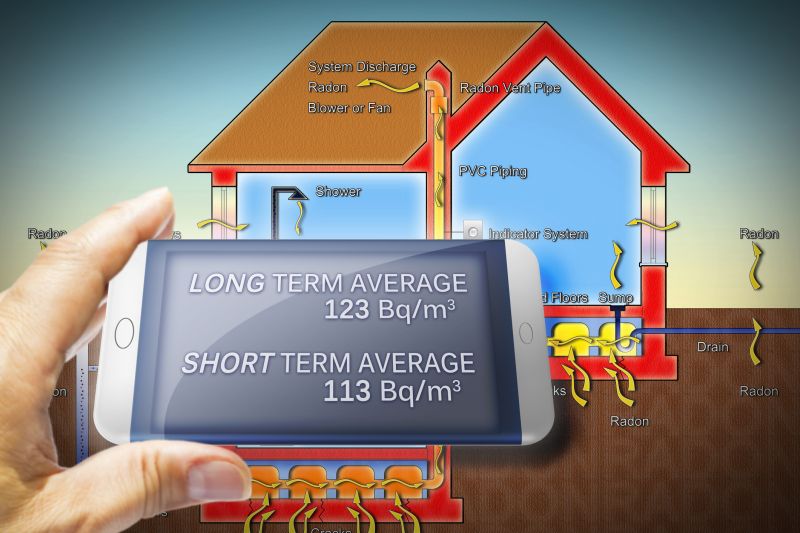
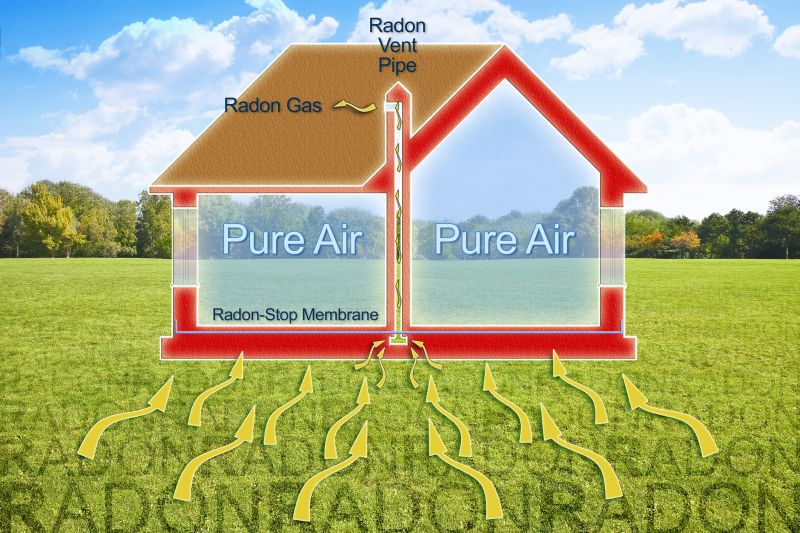
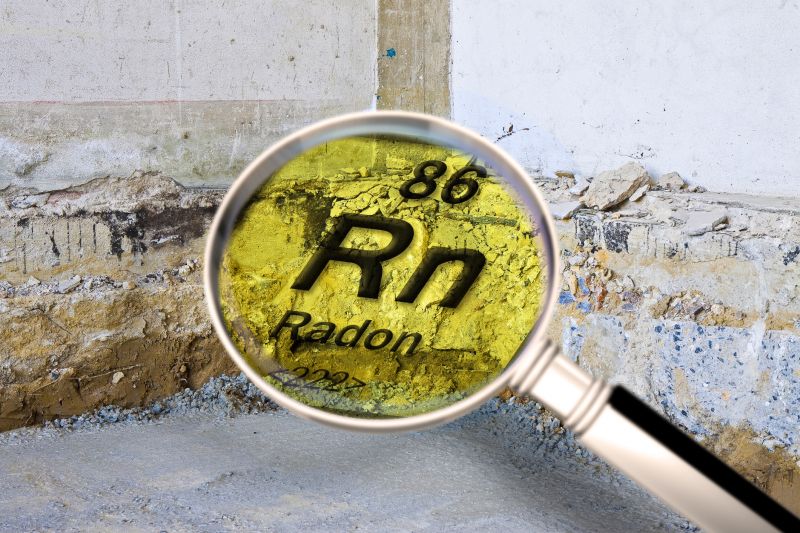
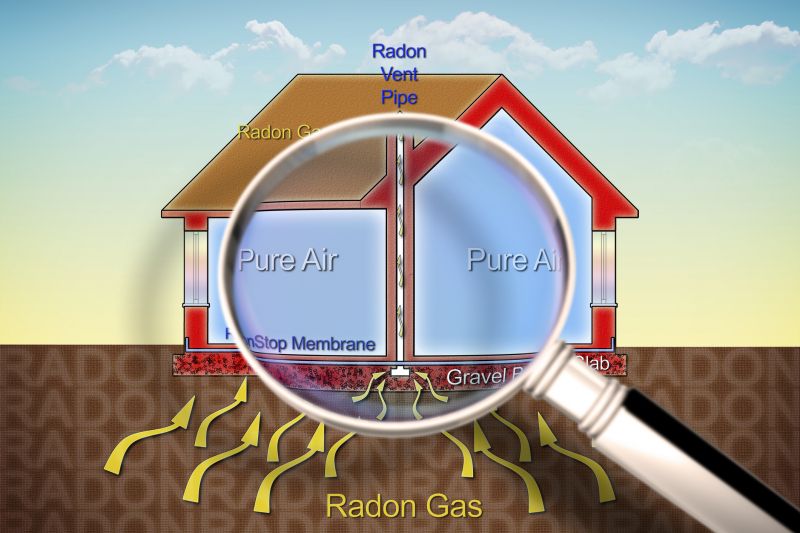
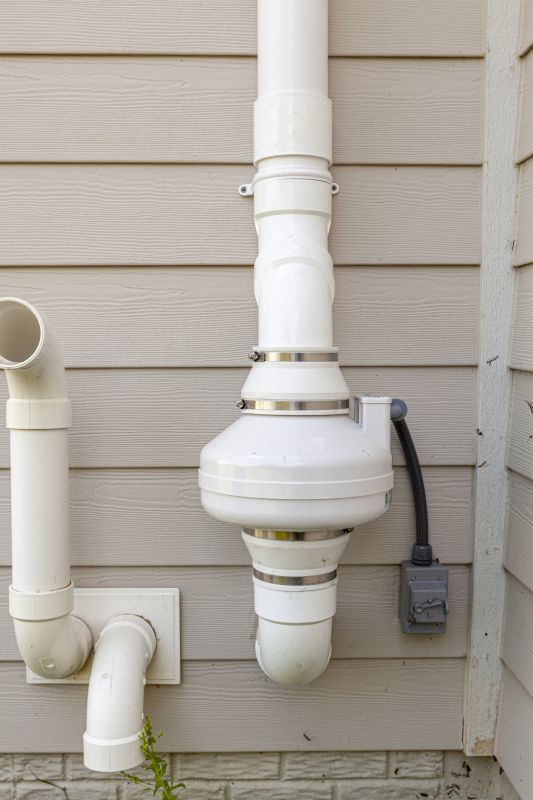
Radon air mitigation services involve reducing radon gas levels inside homes and buildings to promote healthier indoor air quality. Property owners who notice elevated radon levels or are seeking to improve air safety often turn to local contractors who specialize in radon testing and mitigation. These professionals evaluate the specific characteristics of each property to determine the most effective solutions, which may include installing venting systems or sealing entry points. Working with experienced local service providers ensures that mitigation methods are properly implemented to address individual building needs.
Local radon mitigation contractors typically handle a range of projects, from small residential homes to larger commercial spaces. They bring practical knowledge of building structures and local conditions to ensure that radon levels are effectively managed. Property owners can expect clear communication and professional service throughout the process, with the goal of creating a safer indoor environment. Connecting with local pros provides an opportunity to compare options and find the right solution tailored to specific property requirements.
This guide provides helpful information to understand radon air mitigation and what to consider when choosing a service provider. It assists in comparing local contractors and understanding the basics of radon reduction methods. The goal is to help visitors make informed decisions and connect with qualified local service providers.