Get Radon Air Mitigation in Aurora, CO
Radon air mitigation services help Aurora, CO property owners reduce dangerous radon gas levels through professional installation of ventilation systems and sealing solutions.
Property owners in Aurora, CO, who are concerned about radon levels often consider air mitigation services to improve indoor air quality and ensure a healthier living environment. Understanding the options available locally can help in planning a project that fits specific needs and property characteristics. Exploring different service providers in the area allows for comparing approaches and finding solutions tailored to the unique requirements of homes and buildings in Aurora.
If you’re interested in addressing radon concerns, it’s helpful to connect with experienced local contractors who specialize in air mitigation. These professionals can assess your property’s situation and recommend effective strategies. Continuing to explore your options will provide clarity and confidence as you consider the best steps toward creating a safer indoor space.
- Radon Testing - when residents notice persistent odors or want to assess indoor air quality in neighborhoods like Southlands or Saddle Rock.
- Radon Mitigation System Installation - needed when radon levels exceed safety thresholds in homes throughout Aurora, CO, and nearby communities.
- Radon Reduction Consultation - applicable for homeowners seeking expert advice on lowering radon levels in areas with known high radon prevalence.
- Radon Inspection Services - recommended when buying or selling a property in areas such as Centennial or Parker to ensure safe indoor air conditions.
- Radon System Maintenance and Repair - essential for existing mitigation systems that require servicing or upgrades in residential neighborhoods around Denver metro.
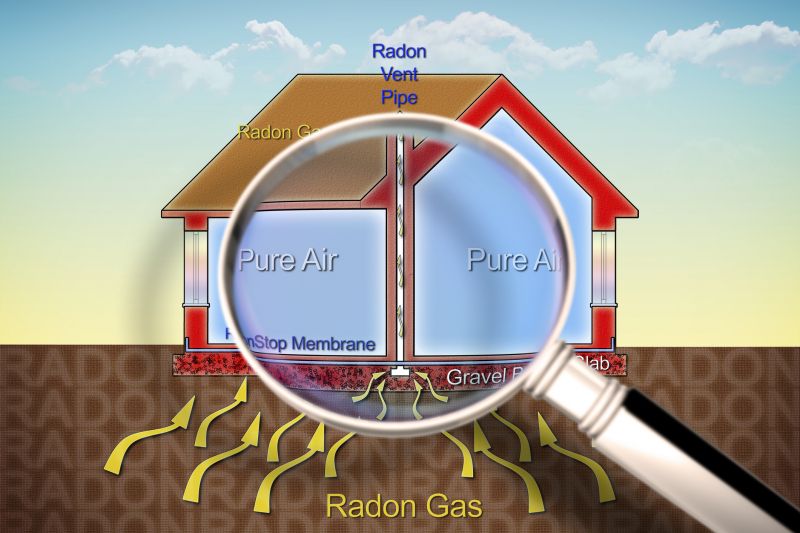
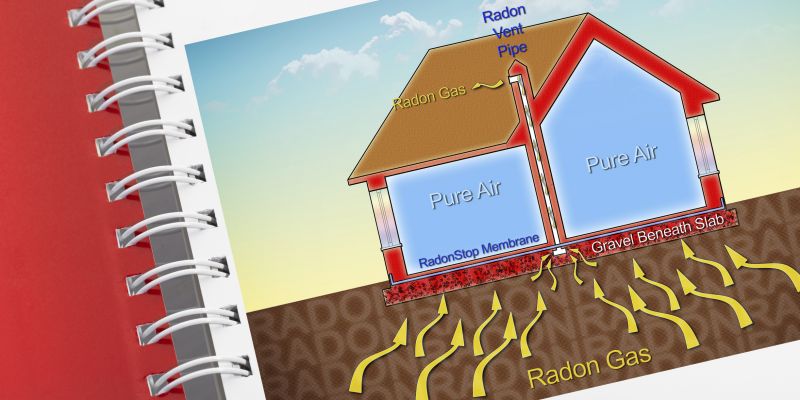
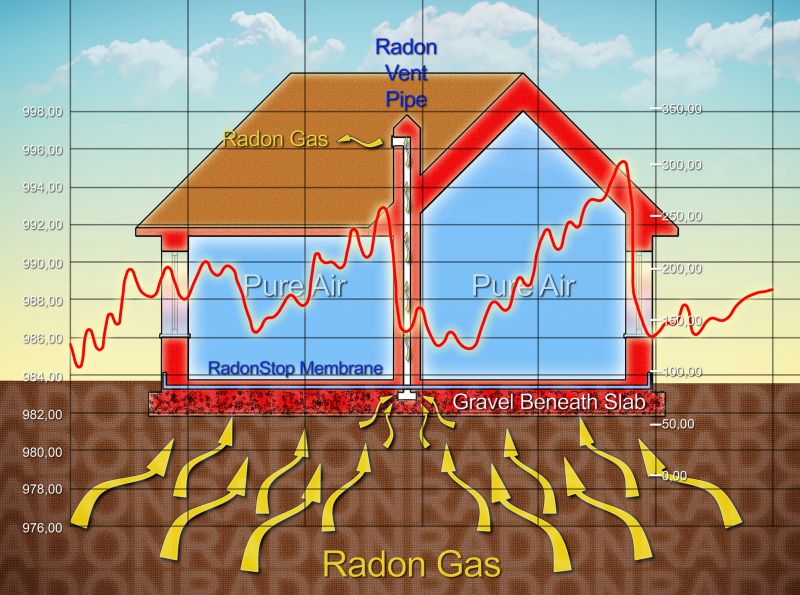
Radon air mitigation services involve installing specialized systems designed to reduce radon gas levels inside a home or building. Radon is a naturally occurring radioactive gas that can seep into indoor spaces from the soil beneath a property. These systems typically include vent pipes and fans that work together to safely vent radon gas from beneath the foundation to the outside, preventing it from accumulating indoors. Proper installation of a radon mitigation system can significantly lower indoor radon levels, making the living environment safer for occupants.
Radon problems are often found in homes that are built on or near soil with higher radon concentrations. Common signs that a property might need mitigation include a recent radon test indicating elevated levels, or a history of radon issues in the neighborhood. Radon exposure is linked to health concerns over time, so addressing high levels early can help reduce potential risks. Homeowners who notice a musty smell, stale air, or experience health symptoms related to radon exposure may also consider testing and mitigation services to ensure their indoor air quality remains safe.
The types of properties that typically use radon air mitigation services include single-family homes, especially those with basements or crawl spaces, as these areas are more susceptible to radon infiltration. New construction homes can also benefit from mitigation systems if radon levels are expected to be high in the area. Additionally, multi-family buildings, such as apartment complexes or condominiums, may require mitigation if radon testing reveals elevated levels in common or individual units. Any property where radon testing indicates unsafe levels can benefit from the expertise of local contractors experienced in radon mitigation.
For homeowners in Aurora, CO, and nearby areas, radon air mitigation services provide a practical solution to address indoor radon concerns. These services involve installing a system that continuously works to lower radon concentrations, helping to improve indoor air quality and reduce potential health risks. Since radon is a common issue in many regions, reaching out to local service providers can help determine if mitigation is necessary. Professionals can assess the property, conduct testing, and recommend appropriate solutions to ensure indoor spaces remain safe and comfortable.
The overview below groups typical Radon Air Mitigation projects into broad ranges so you can see how smaller, mid-sized, and larger jobs often compare in Aurora, CO.
In many markets, a large share of routine jobs stays in the lower and middle ranges, while only a smaller percentage of projects moves into the highest bands when the work is more complex or site conditions are harder than average.
Smaller Radon Mitigation Systems - Typical costs for basic radon mitigation installations in homes or small buildings range from $250 to $600. Many routine jobs fall within this middle range, covering standard systems for single-family homes. Larger or more complex projects can exceed this range but are less common.
Moderate-Scale Projects - Projects involving moderate modifications or upgrades usually cost between $600 and $1,500. These projects may include additional ventilation or more extensive sealing, with most local contractors handling jobs in this range. Fewer projects push into the higher end of this band.
Full System Replacement - Replacing an existing radon mitigation system or installing a comprehensive setup typically costs between $1,500 and $3,000. Many homes requiring full replacements fall into this range, while larger or more complex properties may see costs above this band.
Large or Complex Installations - Large-scale or highly customized radon mitigation projects can reach $3,000 to $5,000 or more. These projects are less frequent and often involve extensive excavation, multiple system components, or unique building challenges. Local service providers can assess specific needs to provide accurate estimates.
Actual totals will depend on details like access to the work area, the scope of the project, and the materials selected, so use these as general starting points rather than exact figures.
Basement Vapor Barrier Installation - this project involves sealing and venting below-ground spaces, similar to radon mitigation, requiring knowledge of airflow and sealing techniques.
Indoor Air Quality Testing - testing air quality in residential spaces shares skills in detecting airborne contaminants and assessing ventilation effectiveness.
Sump Pump Installation and Maintenance - installing sump pumps involves understanding drainage and moisture control, which are also important in radon mitigation systems.
Foundation Sealant Application - applying sealants to foundation cracks helps control soil gases, paralleling radon entry point management.
HVAC System Optimization - adjusting and balancing HVAC systems impacts indoor air circulation, a key aspect of effective radon reduction strategies.
Mold Remediation Services - mold removal requires expertise in moisture control and ventilation, skills that complement radon mitigation planning.
When comparing Radon air mitigation service providers in Aurora, CO, it’s important to consider their experience with similar projects. Homeowners should look for local contractors who have a proven track record of successfully installing mitigation systems in homes comparable to their own. Asking about the types of properties they’ve worked on can help gauge their familiarity with the specific challenges that might arise in your home. An experienced service provider can offer insights into effective solutions based on their past projects, helping ensure that the mitigation system will be appropriate for your space.
Clear and detailed written expectations are essential when evaluating potential service providers. Homeowners should seek out contractors who can provide comprehensive descriptions of the work involved, including the scope, materials used, and any necessary preparations or follow-up steps. Having a clear understanding of what the project entails helps prevent misunderstandings and ensures that everyone is aligned on the work to be performed. It’s also beneficial to request written estimates or proposals to compare the scope and approach of different local contractors.
Reputable references and strong communication are key indicators of dependable Radon mitigation specialists. Homeowners should inquire about references from previous clients who had similar work done, to gain insights into the contractor’s professionalism and quality of work. Good communication involves responsiveness, clarity in explaining options, and willingness to answer questions thoroughly. While the site introduces homeowners to local options, it’s important that the chosen service provider is transparent, communicative, and has a history of reliable service, helping to make the process smoother and more confident.
Property owners in Aurora, CO use Radon Air Mitigation services for practical projects around their homes and businesses. This guide focuses on everyday jobs and straightforward project options.
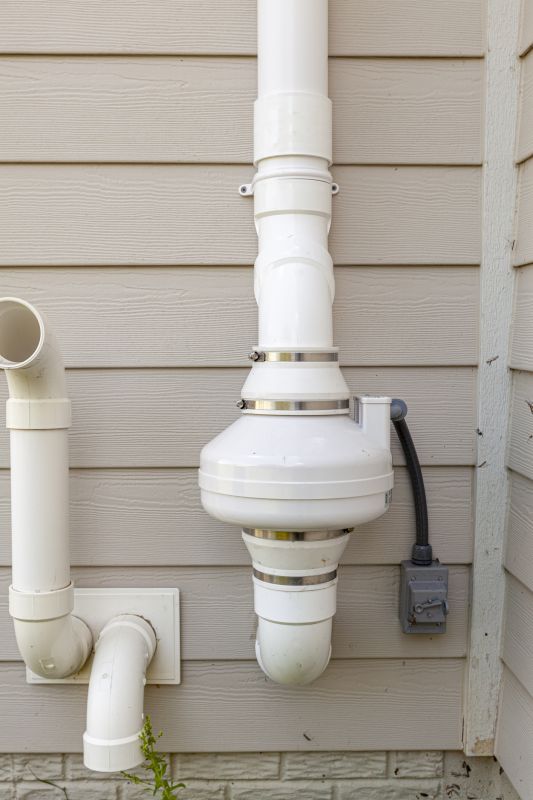
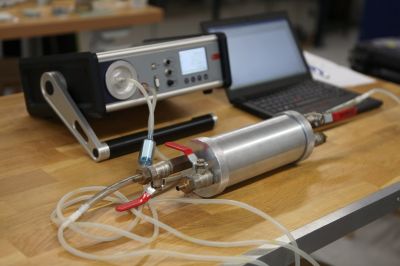
Radon air mitigation services are often sought by property owners in Aurora, CO who are concerned about indoor air quality and potential health risks. Homes and buildings that have recently undergone renovations, or those that have been tested and found to have elevated radon levels, may require professional mitigation to reduce indoor radon concentrations. Local contractors can assess the specific needs of each property, ensuring that the mitigation systems are properly installed to protect residents from long-term exposure.
In addition, many property owners in Aurora consider radon mitigation when purchasing a new home or preparing a property for sale. Elevated radon levels can sometimes go unnoticed without testing, making professional services a practical step for those wanting to ensure a safe living environment. Local service providers can offer solutions tailored to different types of properties, whether it’s a single-family home, apartment, or commercial building, helping owners address radon concerns effectively.
What is radon air mitigation? Radon air mitigation involves reducing radon gas levels inside a home or building to improve indoor air quality and reduce health risks.
How do local contractors perform radon mitigation? They typically install ventilation systems or barriers to safely vent radon gas from beneath the property to the outside environment.
Is radon mitigation necessary for my home? If radon testing indicates elevated radon levels, hiring a nearby contractor to install mitigation systems can help lower indoor radon concentrations.
What methods are used in radon air mitigation? Common approaches include sub-slab depressurization and sealing cracks to prevent radon entry, with local service providers handling the installation.
How can I find qualified radon mitigation service providers? This website helps connect homeowners with local contractors experienced in radon mitigation services in Aurora, CO, and nearby areas.
Radon Level Testing - Property owners can have local contractors assess radon levels to determine if mitigation is needed in basements or living areas.
Mitigation System Installation - Homeowners can work with local service providers to install systems that reduce radon concentrations in indoor air.
Foundation Ventilation Improvements - Property owners might upgrade or modify existing ventilation to help lower radon buildup naturally.
Sealing Entry Points - Homeowners can have local pros seal cracks and gaps in foundations to prevent radon entry into the living space.
If you are thinking about Radon Air Mitigation for a property in Aurora, CO, this guide is meant to help you understand the work, the typical project types, and how different options might fit your plans.
When you are ready, you can use the quote form on this page to share a few details about your project. From there, local pros can review the basics and respond with options that match what you have in mind.