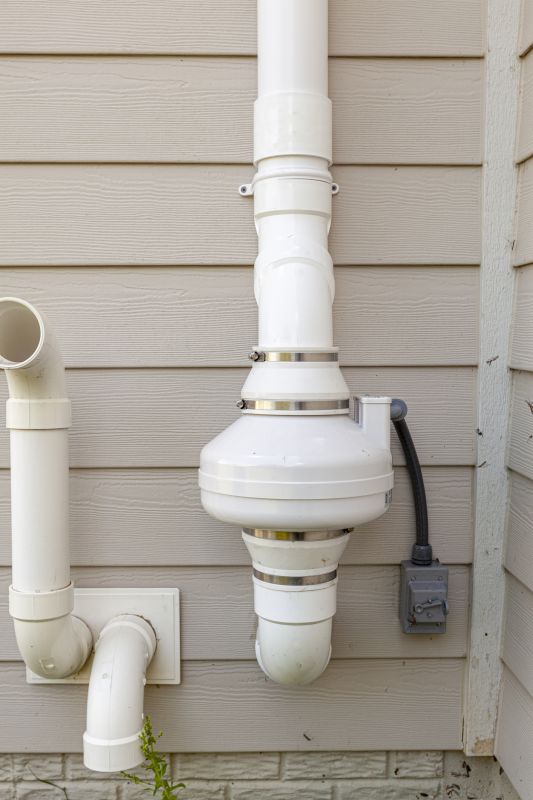
Radon Removal in Naperville, IL
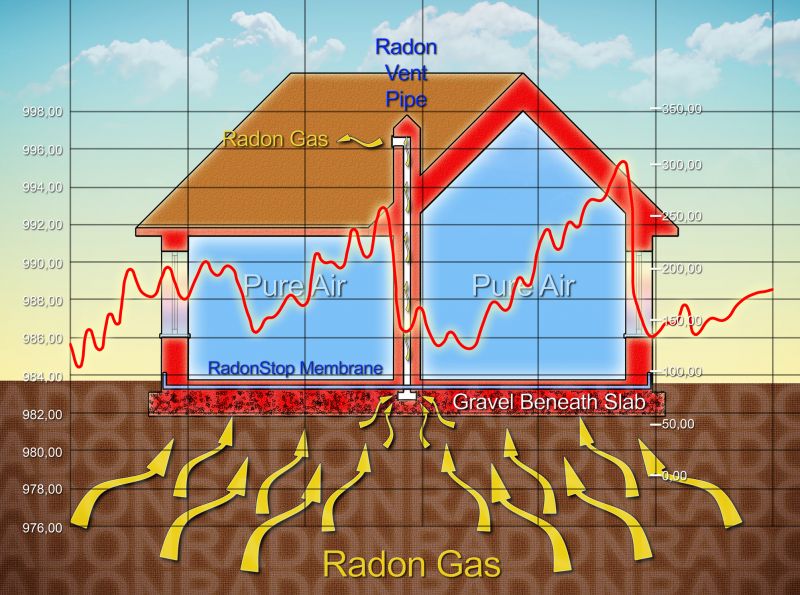
Radon removal services focus on reducing radon gas levels inside residential properties, helping to create a safer living environment. This service typically involves installing specialized ventilation systems that draw radon from beneath the building and vent it outside, preventing it from accumulating indoors. Projects can range from single-family homes to multi-unit buildings, and homeowners often seek radon mitigation when testing reveals elevated radon levels or as a preventative measure in new construction.
Property owners interested in radon removal usually want to understand the scope of the mitigation process, including the installation of vent pipes, fans, and sealing techniques. It's important to consider whether the property has a basement, crawl space, or slab foundation, as these factors influence the most effective approach. Before requesting radon removal services, homeowners should review radon test results and inquire about the methods used to ensure the process effectively reduces indoor radon levels to safe standards.
Many property owners in Naperville, IL look into Radon Removal for repairs, replacements, upgrades, and appearance-related improvements.
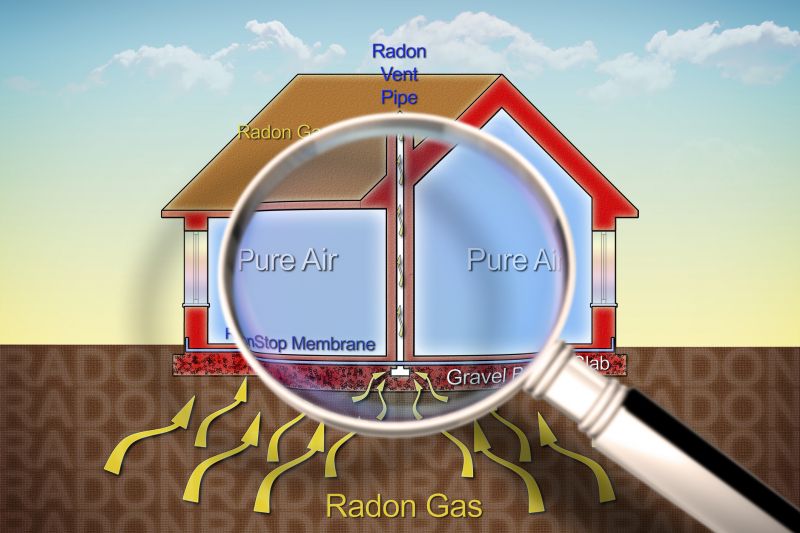
Understanding Radon Risks
Radon can accumulate indoors and pose health risks for homeowners in naperville and nearby areas.
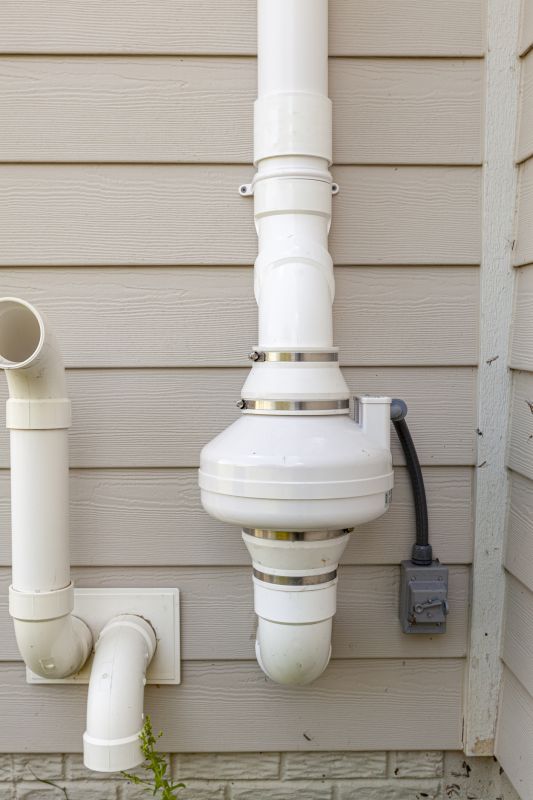
Detection And Testing
Proper testing is essential to identify elevated radon levels in residential and commercial properties.
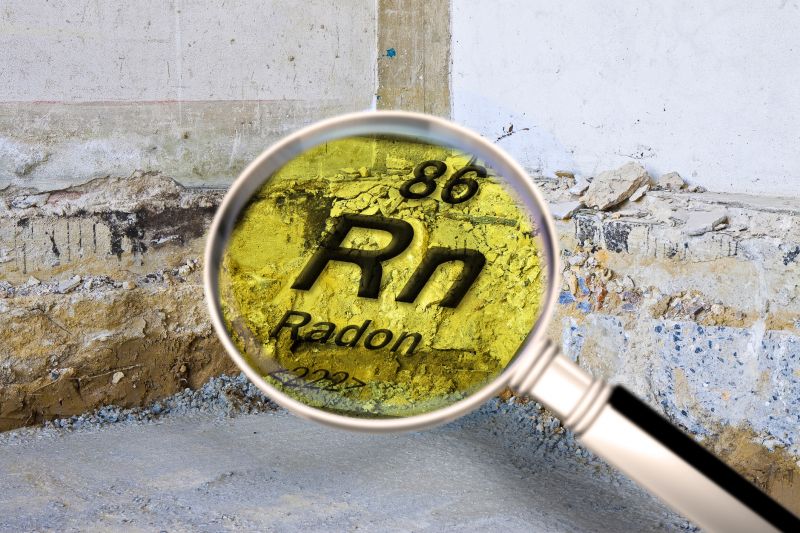
Effective Removal Solutions
Professional radon mitigation systems help reduce indoor radon levels and improve indoor air quality.
Radon Removal in Naperville, IL

Radon removal services focus on reducing radon gas levels inside residential properties, helping to create a safer living environment. This service typically involves installing specialized ventilation systems that draw radon from beneath the building and vent it outside, preventing it from accumulating indoors. Projects can range from single-family homes to multi-unit buildings, and homeowners often seek radon mitigation when testing reveals elevated radon levels or as a preventative measure in new construction.
Property owners interested in radon removal usually want to understand the scope of the mitigation process, including the installation of vent pipes, fans, and sealing techniques. It's important to consider whether the property has a basement, crawl space, or slab foundation, as these factors influence the most effective approach. Before requesting radon removal services, homeowners should review radon test results and inquire about the methods used to ensure the process effectively reduces indoor radon levels to safe standards.
Many property owners in Naperville, IL look into Radon Removal for repairs, replacements, upgrades, and appearance-related improvements.
Common Radon Removal Jobs
Radon mitigation systems - installed to reduce radon levels in residential properties.
Basement radon testing - performed to identify elevated radon concentrations indoors.
Foundation sealing - applied to prevent radon entry through cracks and openings.
Soil venting solutions - designed to safely vent radon gas away from living areas.
Radon removal consultation - offered to assess risks and recommend effective mitigation options.
Whole-home radon reduction - implemented to improve indoor air quality throughout the property.
Radon Removal Questions
What is radon removal? Radon removal involves reducing radon gas levels in indoor spaces to improve air quality and safety.
When should a property owner consider radon removal? Radon removal is recommended when testing shows elevated radon levels that could pose health risks.
What types of properties typically require radon removal services? Radon removal is common in homes, condos, and commercial buildings with high radon levels detected during testing.
How does radon removal improve indoor air quality? It reduces radon gas concentrations, helping to create a safer environment for occupants.
Request Radon Removal in Naperville, IL
Use the quote form on this page to share the basics of your project and request more information for the type of work you need.